

Table of Contents
Being told you need a deep cleaning can feel unexpected, especially if you brush regularly and show up for your checkups. But a deep cleaning is not a judgment on your hygiene habits—it is a clinical recommendation based on what is happening beneath your gumline. A local dentist or hygienist recommends it when a standard cleaning cannot reach the bacteria and buildup that are actively driving gum disease. Understanding what the procedure involves helps you make an informed decision about moving forward.
Key Takeaways
- A deep cleaning, also called scaling and root planing, targets buildup on root surfaces below the gumline that a standard cleaning cannot access.
- It is recommended when gum pocket depths measure 4 millimeters or more, indicating that gum disease has progressed past the earliest reversible stage.
- The procedure is typically divided into two appointments, treating one half of the mouth at a time, usually with local anesthesia.
- Without treatment, the bacteria driving the infection continue to cause bone loss around the teeth, which is permanent and irreversible.
- Most patients experience significant gum improvement within weeks of a deep cleaning when paired with consistent home care.
What Makes a Deep Cleaning Different From a Regular One
A routine cleaning, or prophylaxis, cleans the surfaces of the teeth above and just at the gumline. It is designed for patients whose gums are healthy enough that no bacterial colonies or hardened deposits exist below the tissue. It maintains health; it does not treat disease.
A deep cleaning goes further. The hygienist uses specialized instruments to reach beneath the gumline and remove tartar and biofilm from the root surfaces of the teeth—areas that are completely inaccessible to brushing, flossing, and standard cleaning tools. The second part of the procedure, root planing, smooths the root surface so that the gum tissue can reattach more effectively and bacteria have fewer rough surfaces to grip.
How Does the Dentist Know You Need One?
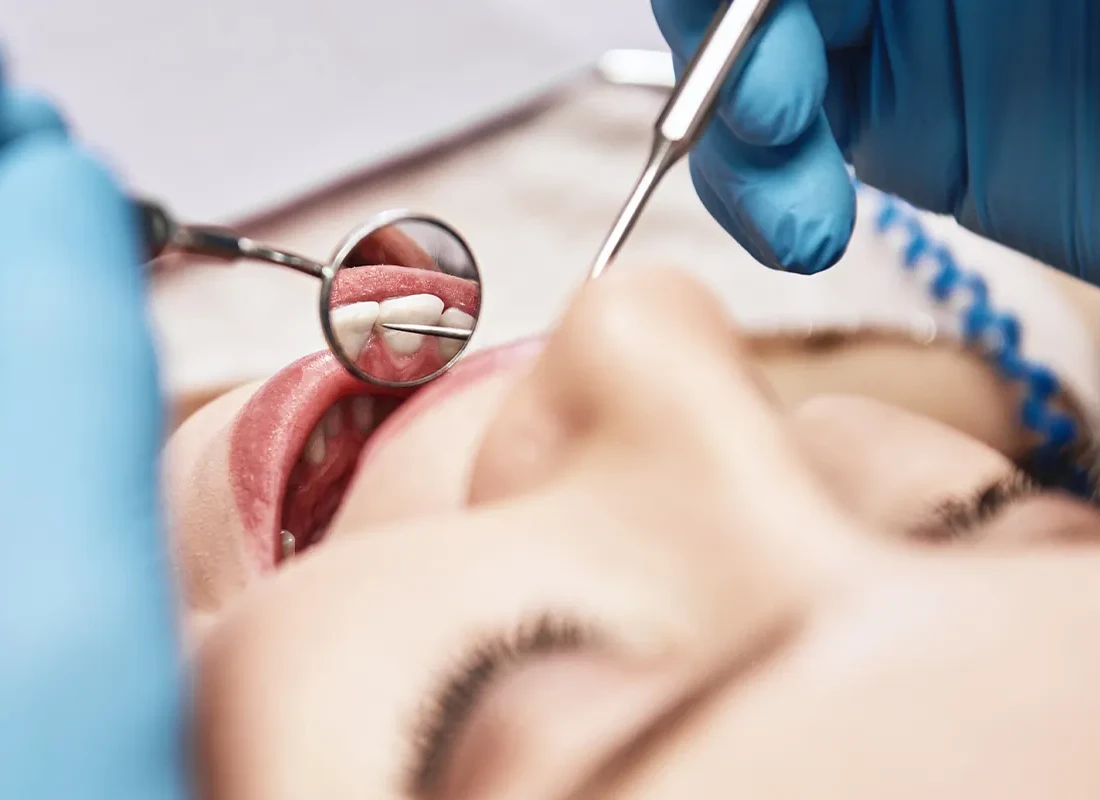
The decision is based on measurements taken during your periodontal charting. At a standard dental exam, the hygienist uses a small probe to measure the depth of the pockets between your teeth and gum tissue at six points around each tooth. Healthy pockets measure 1 to 3 millimeters. Pockets of 4 millimeters or more indicate that the gum has pulled away from the tooth and that bacteria have established themselves below the tissue line.
Pocket depth alone is not the only indicator. X-rays showing bone loss around the roots, visible gum recession, bleeding that is widespread rather than isolated, and tartar that the hygienist can detect below the gumline all factor into the recommendation. A deep cleaning is not suggested based on a single measurement—it reflects a picture of what is happening at and below the tissue level across the mouth.
What the Procedure Feels Like
Most deep cleanings are completed over two appointments, with each half of the mouth treated separately. Local anesthesia is used to numb the area so that the patient is comfortable throughout. The hygienist works methodically around each tooth, using hand scalers and ultrasonic instruments to break up and remove deposits from root surfaces that may extend several millimeters below the visible gumline.
Afterward, it is normal to experience some soreness, sensitivity to temperature, and minor gum tenderness for a few days. The gum tissue may look slightly inflamed immediately after treatment as it adjusts. Most patients find the recovery manageable with over-the-counter pain relief and are back to normal eating within a day or two.
What Happens If You Skip It?
Gum disease does not resolve on its own. The bacteria responsible for the infection continue producing the inflammatory response that breaks down the periodontal ligament and the bone supporting each tooth root. That bone loss is irreversible—once it occurs, it cannot be regrown without surgical intervention, and even then, the results are limited.
Teeth that lose sufficient bone support eventually become loose and may need to be extracted. The relationship between untreated gum disease and systemic health concerns—including cardiovascular disease and metabolic conditions—has been well documented. Addressing the infection at the dental level is both an oral health decision and a general health one.
What Happens After the Deep Cleaning?
A follow-up appointment, typically scheduled 4 to 6 weeks after the second deep cleaning session, is used to reassess the gum tissue. The hygienist re-measures pocket depths to evaluate how the tissue has responded. In cases where pockets have reduced to a healthy range and inflammation has resolved, the patient transitions to a periodontal maintenance schedule—usually every 3 to 4 months rather than the standard 6.
In cases where some pockets remain deep despite the deep cleaning, additional treatment may be recommended, which can include more targeted scaling, localized antibiotic therapy, or a referral to a periodontist for surgical evaluation.
Frequently Asked Questions
Is a deep cleaning covered by dental insurance?
Many dental insurance plans cover scaling and root planing, at least partially, when it is documented as a medically necessary procedure rather than a cosmetic one. Coverage varies by plan, and some insurers require documentation of pocket depths and X-ray evidence of bone loss before approving benefits. Your dental office can typically verify coverage and provide a pre-treatment estimate before the appointment.
How long do the results of a deep cleaning last?
The results depend almost entirely on what comes after. A deep cleaning removes the existing bacterial burden but does not prevent new deposits from forming. Patients who consistently brush and floss at home and attend periodontal maintenance appointments on schedule tend to maintain healthy gum tissue over the long term. Patients who return to infrequent cleaning and poor home care will see pockets deepen again over time.
A Recommended Deep Cleaning Is Worth Taking Seriously
When a local dentist recommends a deep cleaning, it reflects a clinical finding—not an upsell. The gum pockets, bone levels, and tissue condition have crossed a threshold that a standard cleaning cannot address. Acting on the recommendation before the disease advances further keeps more treatment options available and protects the teeth from the consequences of progressive, untreated infection.
If you want to learn more about deep cleaning, visit our Teeth Cleaning in Beverly Hills page or schedule a consultation.