
Table of Contents
If there is no cavity, then why does it hurt? It is one of the most frustrating dental situations to deal with, especially when the tooth hurts, and a recent exam came back clean. The truth is that cavities are far from the only thing that can cause tooth pain. Several common issues can mimic the feeling of decay, and a few of them are worth calling an emergency dentist about sooner rather than later.
Key Takeaways
- Tooth pain without an obvious cavity often points to an issue with the nerve, the gums, or the structure of the tooth itself.
- Cracked teeth, grinding, sinus pressure, and gum recession are some of the most common hidden causes.
- Some sources of tooth pain are subtle enough to miss on a routine X-ray, which is why specialized imaging may be needed.
- Ignoring unexplained pain often turns a manageable problem into a larger one within a few weeks.
- A thorough dental exam is the best way to identify and treat the real source of the pain.
1. A Cracked Tooth You Cannot See
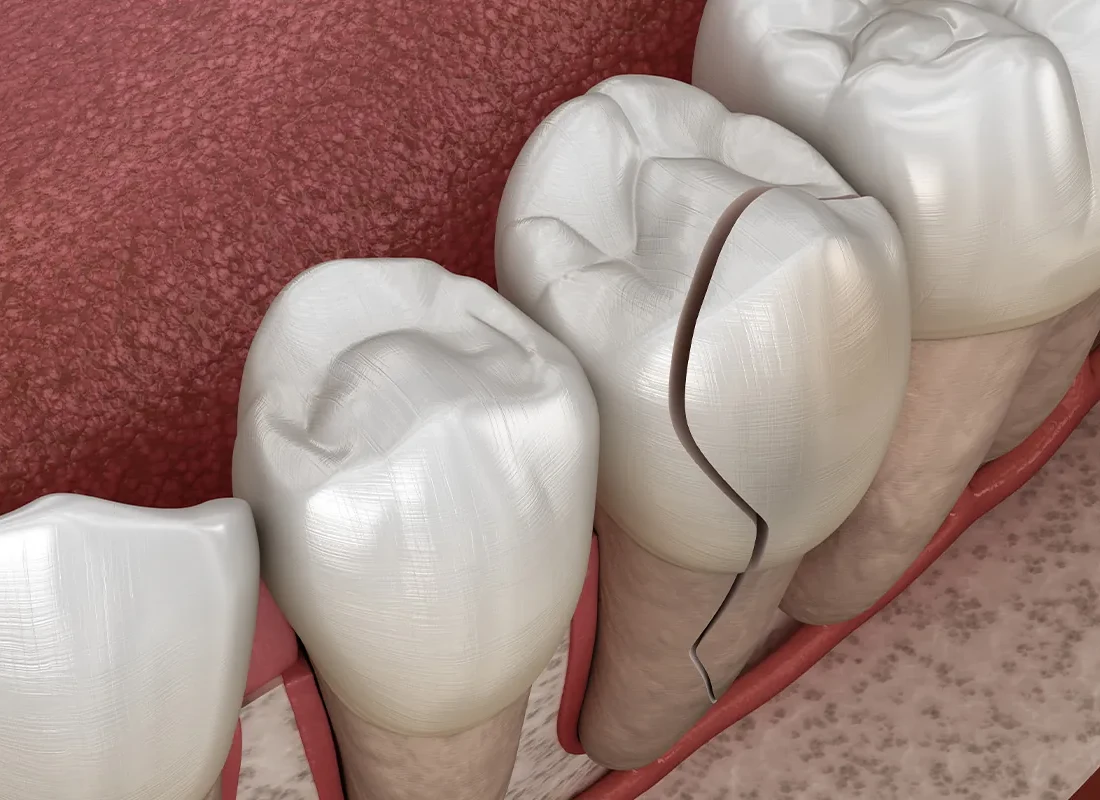
Cracks in teeth can be incredibly small, sometimes too small to show up on a standard X-ray. They often hide along the chewing surface of a back tooth and only cause pain when you bite down in just the right spot. The pain may come and go for weeks before becoming consistent, which is why patients often write it off as occasional sensitivity.
If your tooth hurts when you bite something specific or release pressure suddenly, a crack is a strong possibility. Catching it early often means a crown can save the tooth before the crack reaches the root.
2. Nighttime Grinding or Clenching
Bruxism, the technical name for grinding and clenching, is one of the most overlooked causes of tooth pain. Most people who grind their teeth do not know they are doing it because most of the grinding happens during sleep. Over time, the constant pressure wears down enamel, irritates nerves, and leaves teeth feeling sore or sensitive in ways that look exactly like decay.
A nightguard is often the simplest fix. By keeping your teeth from making direct contact during the night, the muscles can relax and the teeth get a chance to recover. Stress management can help too, since clenching tends to flare up during high-pressure periods.
3. Sinus Pressure Mimicking a Toothache
The roots of your upper back teeth sit very close to your sinus cavities. When the sinuses become inflamed from allergies, a cold, or an infection, the pressure can push down on those tooth roots and create what feels like an aching tooth. Patients often think they have a problem with a specific tooth, when the real issue is several inches higher.
If your discomfort comes with congestion, a runny nose, or pressure across your cheekbones, the sinuses are probably the actual source. A dentist can rule out a true tooth issue and point you in the right direction for treatment.
4. Gum Recession Exposing the Root
When gums recede, the part of the tooth that sits below the gumline becomes exposed. That surface is not covered in enamel and is much more sensitive to temperature, brushing, and pressure. Recession can develop slowly enough that you do not notice the change until the tooth starts to feel sore.
The pain from exposed roots often shows up as a sharp jolt when you eat or drink something cold. Treatment options range from desensitizing toothpaste for mild cases to gum grafting or pinhole techniques for more significant recession.
5. A Failing Filling or Crown
Old fillings and crowns do not last forever. When they begin to fail, the bond between the restoration and the tooth weakens, allowing bacteria, temperature changes, and pressure to reach the nerve. The pain can feel exactly like a cavity, even though the X-ray looks fine, because the new decay is often hiding under the existing dental work.
A close look from your dentist usually identifies the issue. Sometimes the edge of a crown has lifted slightly, sometimes a filling has developed a hairline crack, and sometimes decay has worked its way underneath without giving any visible sign on the surface. Replacing a worn restoration before it fails completely is much easier than waiting until the underlying tooth gets damaged.
Don’t Ignore the Mystery Pain
Unexplained tooth pain rarely fixes itself. The longer you wait, the more likely it is that the source becomes harder to diagnose and more expensive to treat. If your tooth hurts and the cause is not obvious, that uncertainty is reason enough to schedule an evaluation. When the pain is severe, comes with swelling, or interrupts your sleep, calling an emergency dentist is the smart next step.
- If you want to learn more about urgent dental care, visit our Emergency Dentist in Beverly Hills page to schedule a consultation.