
Table of Contents
- Table of Contents
- What Causes a Chipped Tooth?
- When Is a Chipped Tooth Just Cosmetic?
- Signs a Chipped Tooth May Be an Emergency
- Why Ignoring a Chipped Tooth Can Lead to Bigger Problems
- How a Chipped Tooth Affects Daily Function
- What to Do Right After You Chip a Tooth
- Frequently Asked Questions
- A Small Chip Today Can Become a Bigger Concern Tomorrow
A chipped tooth can happen unexpectedly, whether from biting something hard, a fall, or everyday wear. At first, it may seem like a minor cosmetic issue, especially if there is no pain. However, not all chips are the same, and some can lead to more serious problems if left untreated. Understanding when a chipped tooth is simply aesthetic and when it may require an emergency dentist can help you respond appropriately, especially when considering situations that may involve emergency dental care.
Key Takeaways
- A chipped tooth can range from minor cosmetic damage to a serious dental issue.
- Pain, sensitivity, or sharp edges may indicate more serious damage.
- Even small chips can worsen over time without proper care.
- Early evaluation helps prevent complications and protect the tooth.
- Some chipped teeth require urgent attention, depending on severity.
Table of Contents
- Key Takeaways
- How Grinding Damages Your Teeth
- Common Signs of Grinding-Related Damage
- Can Cosmetic Dentistry Repair Grinding Damage?
- Treatment Options for Different Levels of Damage
- Why Treating the Cause Matters
- Long-Term Benefits of Cosmetic Restoration
- Frequently Asked Questions
- Restoring Teeth Damaged by Grinding
- Sources
What Causes a Chipped Tooth?
A chipped tooth can occur for a variety of reasons, many of which happen during everyday activities. Biting down on hard foods, grinding your teeth, or experiencing trauma to the mouth can all weaken enamel and lead to chipping. In some cases, underlying decay or previous dental work may also make a tooth more vulnerable.
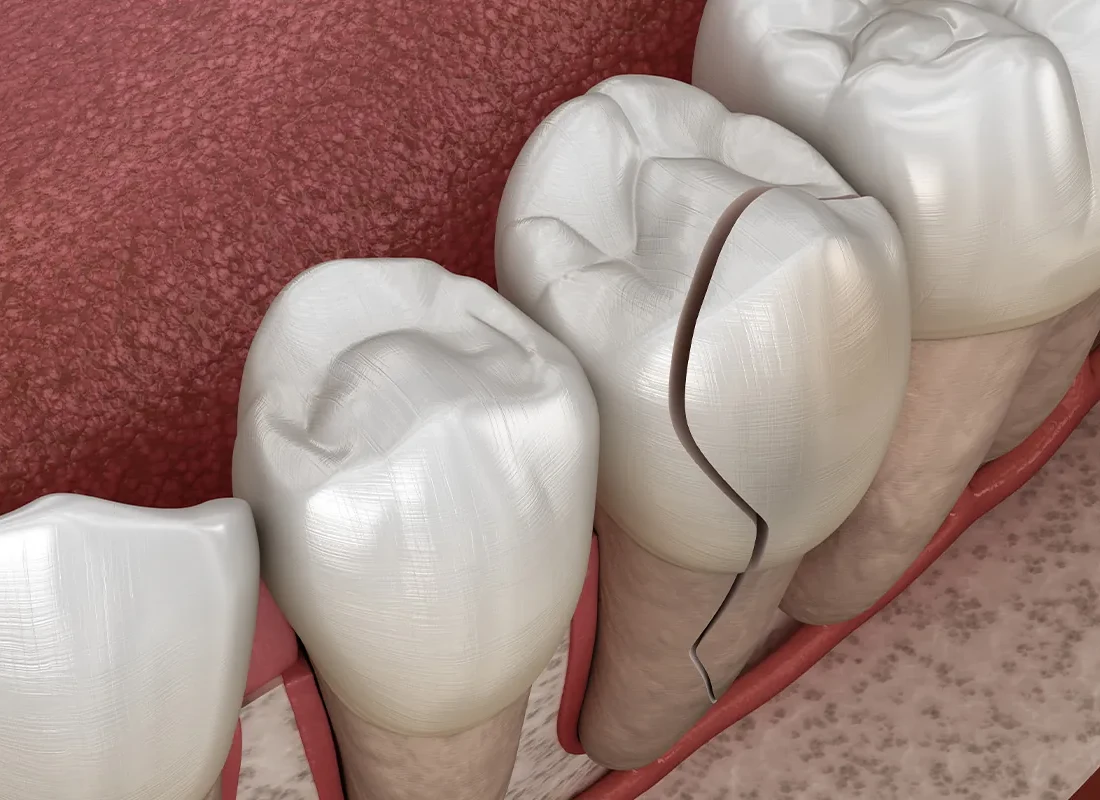
While some chips are small and affect only the outer enamel, others can extend deeper into the tooth. The extent of the damage often determines whether the issue remains cosmetic or becomes more serious.
When Is a Chipped Tooth Just Cosmetic?
In many cases, a chipped tooth is limited to the enamel and does not affect the inner layers. These minor chips may not cause pain or sensitivity and are often noticed only because of their appearance. Smooth, shallow chips typically fall into this category.
Even when the issue is cosmetic, it is still important to have it evaluated. Small chips can create rough edges that trap plaque or make the tooth more prone to further damage. Addressing them early helps maintain both appearance and oral health.
Signs a Chipped Tooth May Be an Emergency
Not all chipped teeth can wait. Certain symptoms may indicate that the damage extends beyond the surface and requires prompt attention. Recognizing these signs can help you avoid complications. These symptoms suggest that the inner layers of the tooth may be involved, increasing the risk of infection or further damage. Warning signs include:
- Sharp or severe pain when biting or chewing
- Sensitivity to hot or cold that lingers
- Visible cracks extending deeper into the tooth
- Swelling around the gums or affected area
Why Ignoring a Chipped Tooth Can Lead to Bigger Problems
Even a small chipped tooth can worsen if it is not addressed. Over time, the damaged area may become weaker, making it more likely to crack further or break. This can expose deeper layers of the tooth, increasing sensitivity and discomfort.
If bacteria enter through the damaged area, it can lead to infection. What starts as a minor chip may eventually require more extensive treatment. Taking action early helps prevent these complications and protects the long-term health of the tooth.
How a Chipped Tooth Affects Daily Function
Beyond appearance, a chipped tooth can impact how your mouth functions. Sharp edges may irritate the tongue or cheeks, causing discomfort during speaking or eating. Changes in tooth structure can also affect how your bite feels.
Over time, uneven surfaces can lead to additional wear on surrounding teeth. This can create imbalances that affect comfort and efficiency when chewing. Addressing the issue helps restore normal function and prevent further strain.
What to Do Right After You Chip a Tooth
If you experience a chipped tooth, taking the right steps early can help minimize damage. Acting quickly does not always mean rushing into treatment, but it does mean protecting the tooth and seeking guidance. These simple actions can help prevent further irritation while you determine the next steps. Helpful steps include:
- Rinse your mouth to keep the area clean
- Avoiding hard or chewy foods
- Covering sharp edges with dental wax if needed
- Scheduling an evaluation as soon as possible
Frequently Asked Questions
Can a chipped tooth heal on its own?
No. Enamel does not regenerate, so professional evaluation is needed.
Is a chipped tooth always painful?
Not always. Some chips are painless, but that does not mean they should be ignored.
How do I know if it is serious?
Pain, sensitivity, or swelling are signs that the damage may be more than cosmetic.
Can a small chip turn into a bigger problem?
Yes. Without treatment, it can worsen over time.
Should I see a dentist right away?
If there are symptoms like pain or sensitivity, it is best to seek prompt care.
A Small Chip Today Can Become a Bigger Concern Tomorrow
A chipped tooth may seem minor at first, but the underlying damage is not always visible. While some cases are purely cosmetic, others can progress into more serious concerns that affect both comfort and oral health. Understanding the difference helps you take the right steps at the right time.
If you want to learn more about emergency dentistry, visit our Emergency Dentist in Beverly Hills page or schedule a consultation.